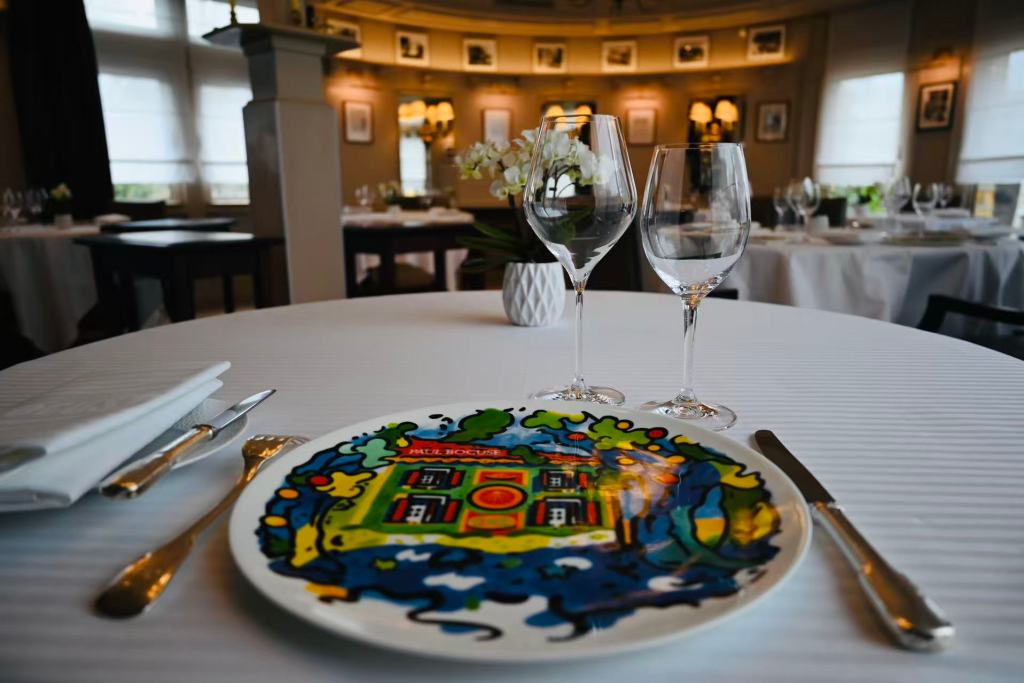
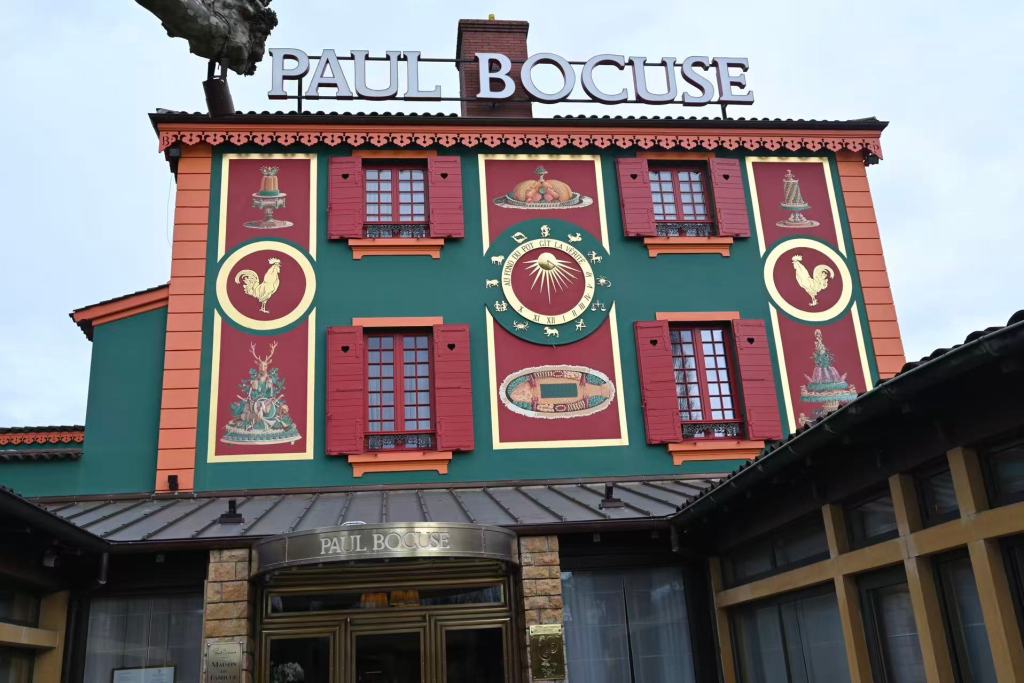
Spring Festival in Lyon, so of course I had to eat at Paul Bocuse.
It felt a bit like a pilgrimage. After all, the man was hailed as the “father of modern French cuisine,” held three Michelin stars for over half a century, trained chefs all over the world – half the foundation of modern French cooking was built by him. Yes, the restaurant lost one star after the great chef passed away. But still. The legacy of a founding master doesn’t just disappear.
The Bread: The First Test
Not long after I sat down, the breadbasket arrived.
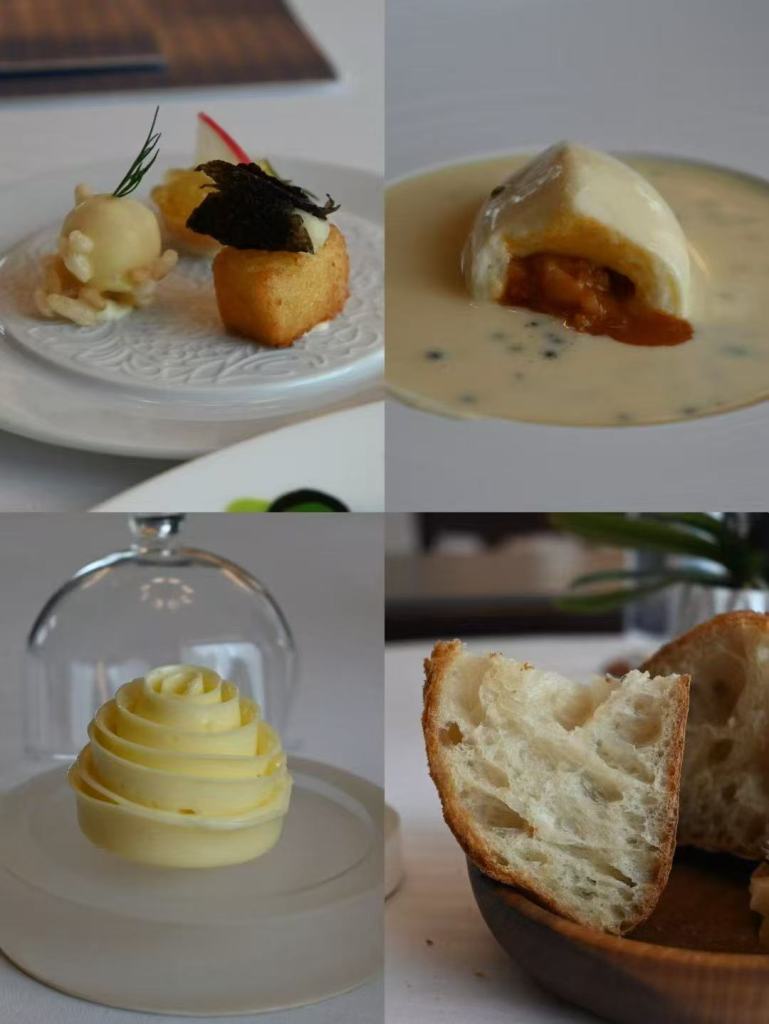
Hard and crisp crust, soft and chewy crumb – tearing it open reveals fine, irregular air pockets. On its own, clean wheat flavor. With butter, that simple pleasure of fat melting into warm bread. Swiping it across the plate, sopping up every last drop of sauce, this bread was an all-rounder. I couldn’t finish it, so I asked to take it away. Later I thought: maybe that’s the highest compliment you can pay a French restaurant.
Menu du Centenaire
I ordered the Centenary Menu. Quite a lot of food.
First course: grilled leek. The leek’s fragrance and a distinct char worked beautifully together. The heat was just right – smoky but not bitter, the vegetable’s sweetness coaxed out.
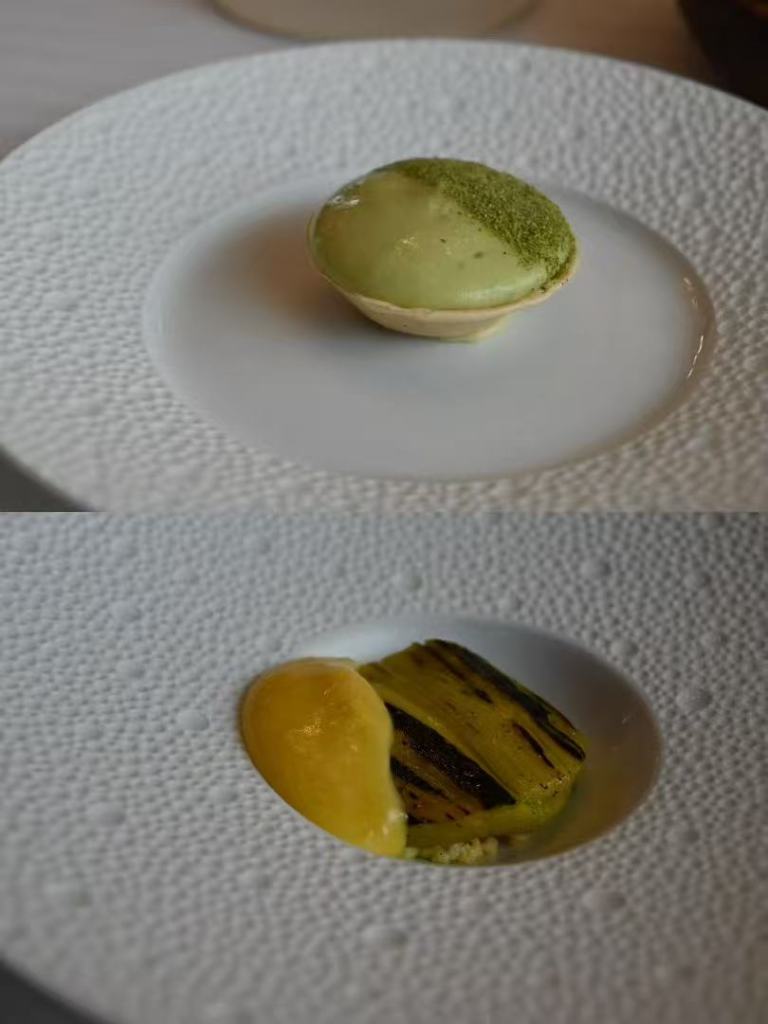
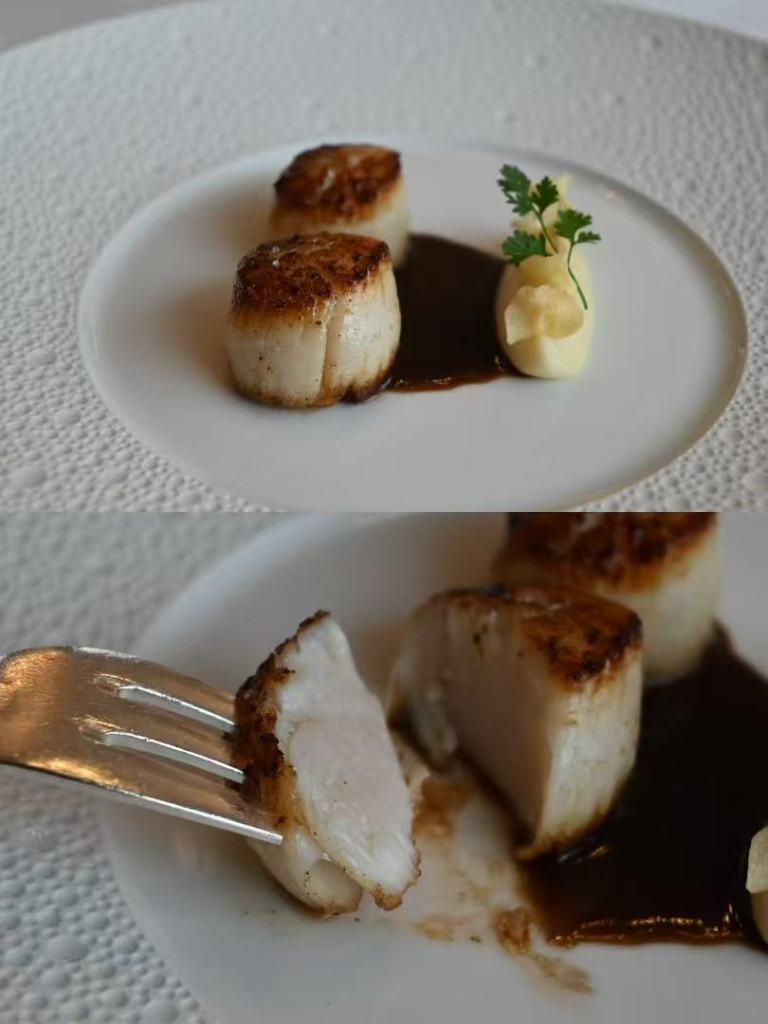
Scallops: tender, with a thin caramelized crust on the surface. The veal jus had a subtle sour undertone that unfolded after the initial hint of saltiness. That touch of acidity was masterful – like a key change in a piece of music. In that moment, a thought surfaced: from now on, this is the only level of French cooking I want to eat.
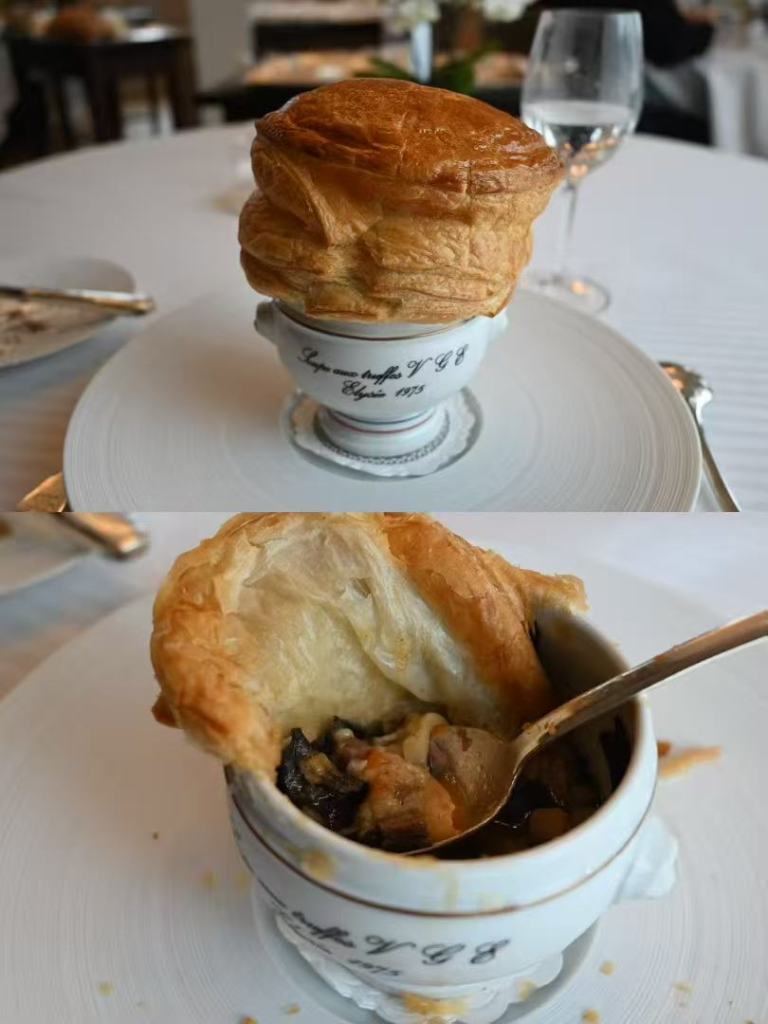
When the truffle soup arrived, I couldn’t help but let out a “wow.” It’s their signature, after all. A clear consommé base, much lighter than the usual creamy versions, with that same gentle acidity. The broth and pastry together weren’t at all heavy. The foie gras, though – there was a faint offal smell, a tiny flaw in an otherwise flawless dish. But the black truffles? Generously piled on, a thick layer. Felt like I made up for all the truffles I hadn’t eaten in the past two years.
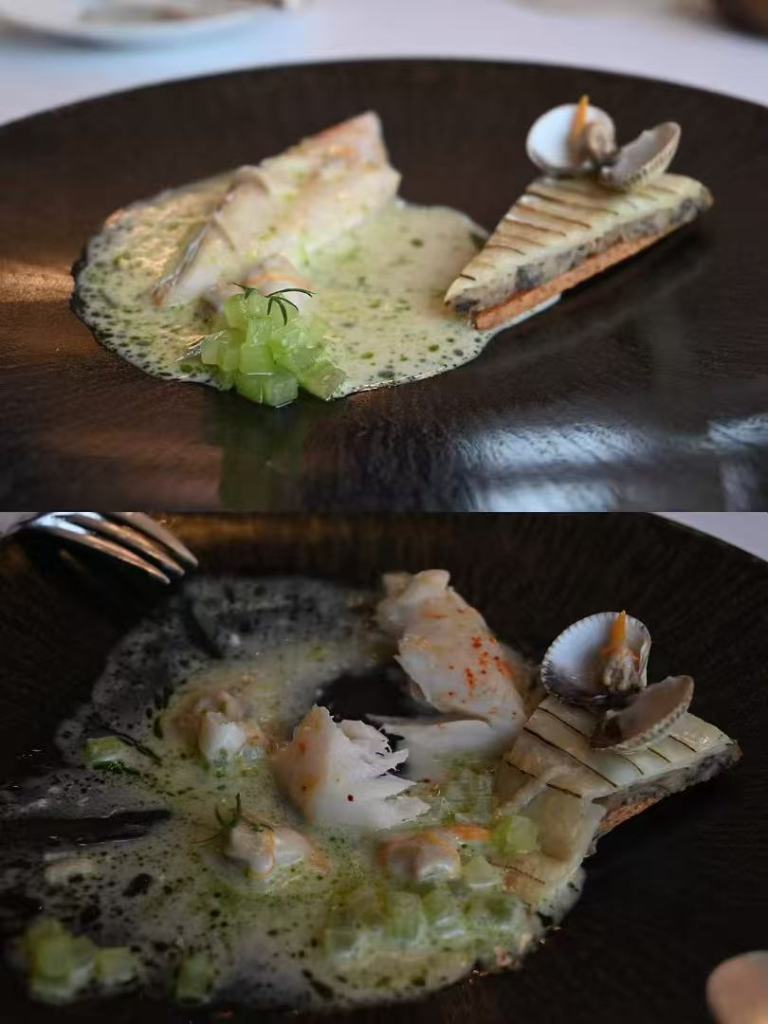
John Dory: to its credit, no fishy taste. Unlike in China, where the pursuit is ultimate tenderness, this fish had more bite. Not bad, but not outstanding either. The surprise was the tart crust that came with it – crispy, memorable.
As I ate, I started noticing a pattern: acidity was Bocuse’s secret weapon in sauce-making. Heavier dishes got more acid, lighter ones just a hint. This approach to balancing flavors – it’s the same logic as tasting wine.
The Bladder Chicken: Signature Dish, Signature Flaw
Before the main course, a palate cleanser arrived. A few drops of herbal liqueur were poured over it tableside, clearing the mouth for what was to come: the famous Bresse chicken.
And here it was. The bladder chicken.
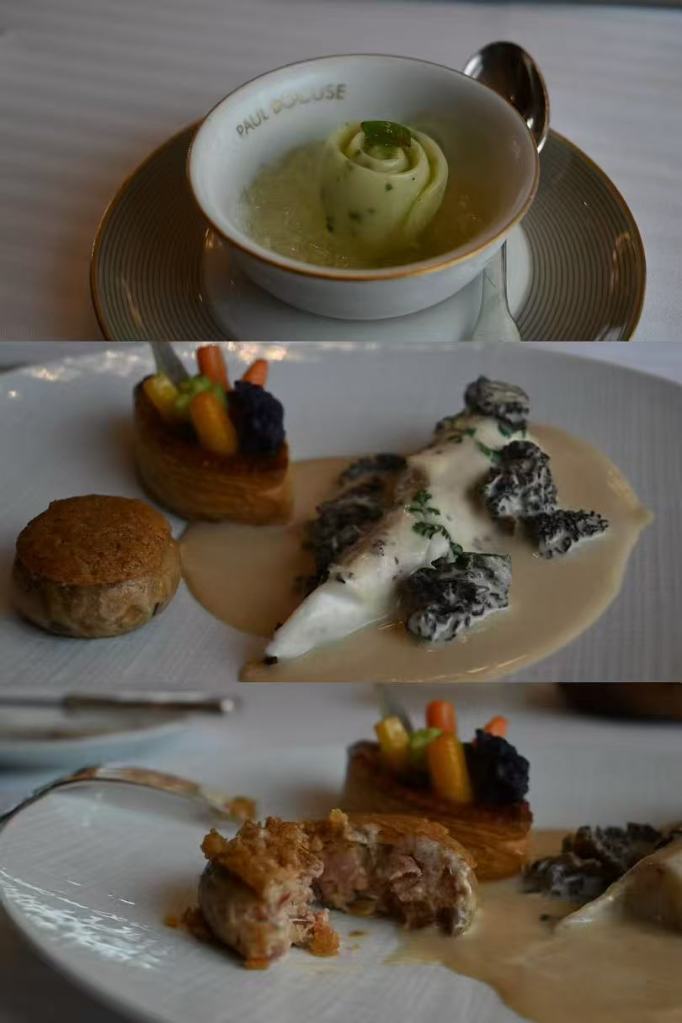
A legendary French dish: a whole chicken, slow-cooked in a pig’s bladder. Lots of hype. The breast meat was sliced and served with a morel mushroom cream sauce. The morels were handled with care – stems completely removed, only the crinkly caps left.
But here’s the thing: chicken breast is still chicken breast.
Sure, it wasn’t as dry as the chicken breast most Westerners eat. But it was still very firm – the kind of chicken Cantonese people would turn their noses up at. The skin was silky, but too tough to bite through. The cream sauce was overwhelmingly rich – I barely managed half. The leg meat was made into a little pastry pie, greasy and aggressively salty, completely throwing the dish off balance. I was genuinely getting a bit annoyed.
This course alone? The lost star was completely justified.
The Cheese Cart: An Oral Penicillin Experience
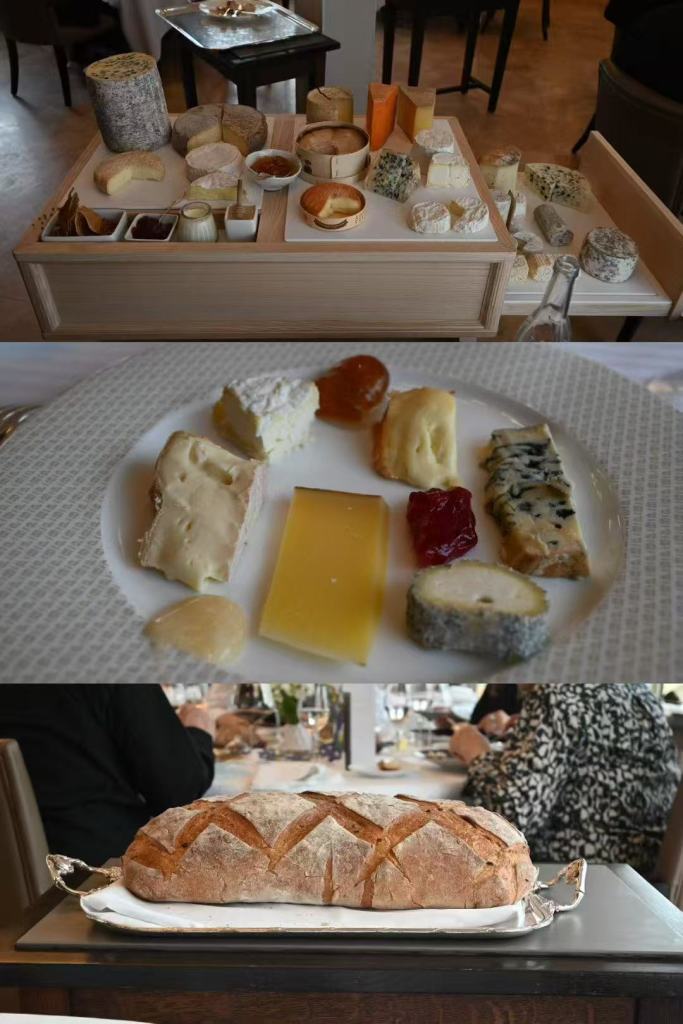
After the main course, the cheese cart rolled over. I was asked to choose.
Names? All forgotten 😭. I remember a thick yellow slice, aged 28 months – good. And a blue cheese… well, now I know what “oral penicillin” tastes like.
Dessert: A Universe in a Cocoa Bean
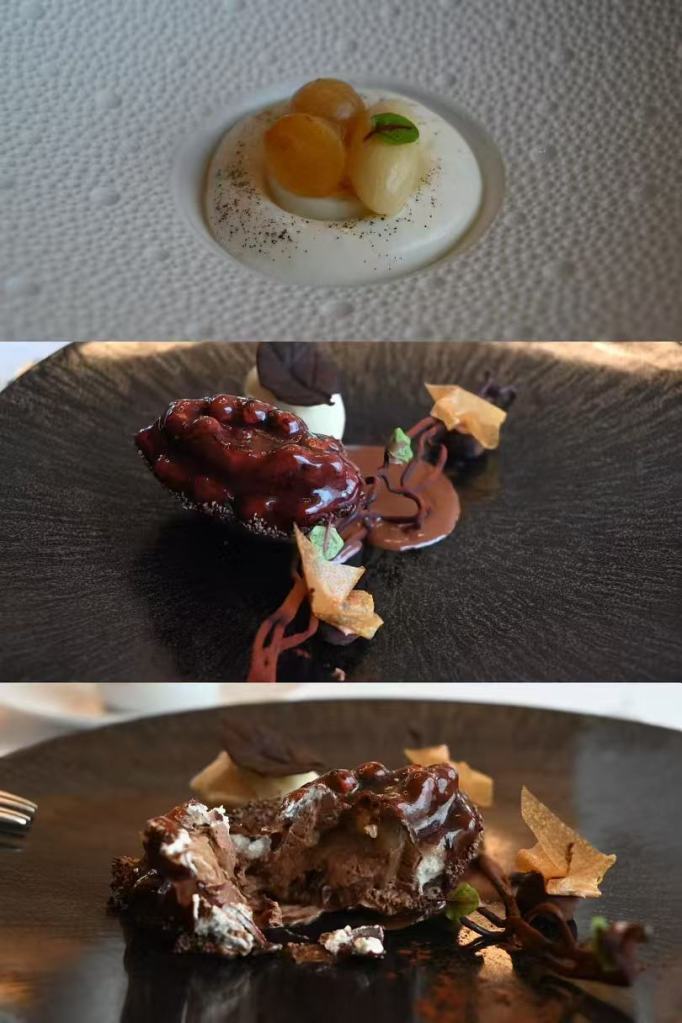
The final dessert was shaped like a cocoa bean.
The layers were astonishing – crispy, soft, cold, bitter, sweet, sour. So many different flavors exploding in the mouth, one after another, yet somehow harmonious. As a €50 standalone dessert, it had real substance. Far superior to Pierre Hermé. Then again, it was also far more expensive.
A Three-Hour Lunch
By the time I got to the John Dory, I was already fighting sleep.
And this was lunch. French meals routinely stretch to two or three hours – not exactly solo-diner friendly. Thank god for smartphones; otherwise, I’d have spent the whole time staring blankly into space.
Eat at Famous Restaurants While You Still Can
At Bocuse’s price point, demanding perfection is not unreasonable. And aside from that chicken, everything else was excellent – close to flawless. Truly, an intangible cultural heritage left by a founding master.
Several great French chefs have passed in recent years. Just like with China’s time-honored brands, when the old master stops working, the quality takes a hit. Add to that the global trend of taste buds coarsening – spicy, heavy flavors win the day, while subtle, layered tastes become a minority pursuit.
So yes. Eat at famous restaurants while you still can.
 Veni VEDI Voravi
Leave a comment